Team America Rocketry Competition
Skills used: 3D CAD · 3 D-printing · OpenRocket
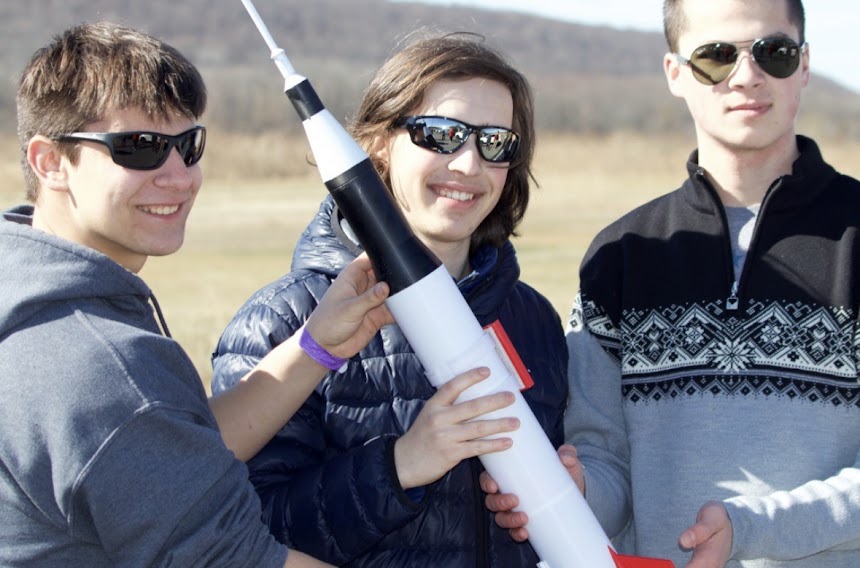
After founding the club at the local high school, my two friends Will and Kyrylo and I had to actually set about designing and flying a functioning rocket with virtually no aerospace engineering experience between the three of us.
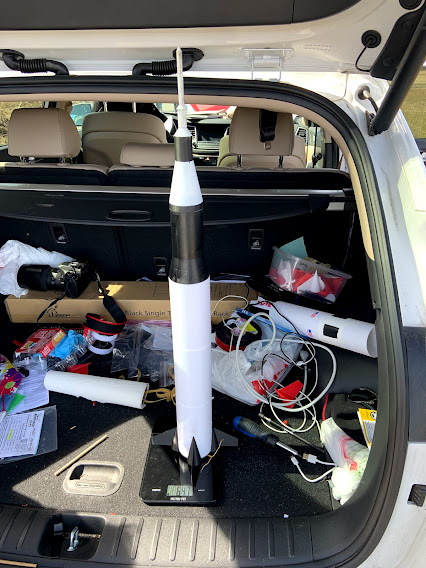
This competition was the first time I could explore my interest in space flight and aeronautics with a practical project. Founding our three man team we could think of nothing better than a callback to the first iconic trio and quickly crowned ourselves the Three Rocketeers. Our design was based on the Saturn IV, considering the year we competed was a notable anniversary for the legendary rocket, it only seemed fitting. While most teams constructed their rockets out of foam, cardboard, and wood, we thought we'd be different and prioritize creating as modular of a base as possible, which would only be possible with 3D modeling and printing. Luckily I had experience from FIRST and my other projects and we were able to design a really cool quick-swap fin system that allowed us to finely tune the flight path of our rocket by taking advantage of the effects of weight and efficiency changes of differently shaped fins. For example, launching on a windier day needed both a heavier and more efficient rocket, so we would connect our thickest air foil fins for that day. Comparatively, on a clear day, the Class F engine would likely overshoot the 856 foot goal and the 43-46 second flight window so we would swap to a squared fin design that reduced the overall efficiency until we nailed our mark.
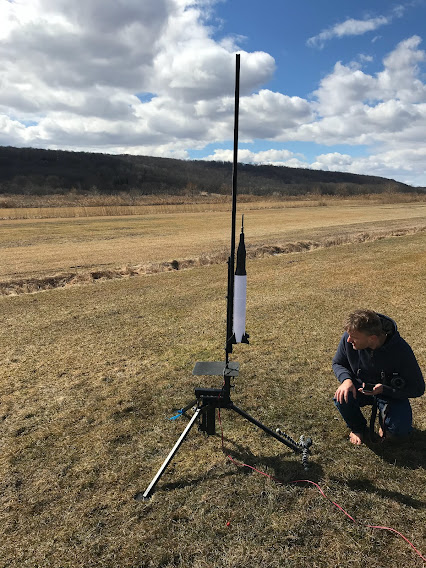
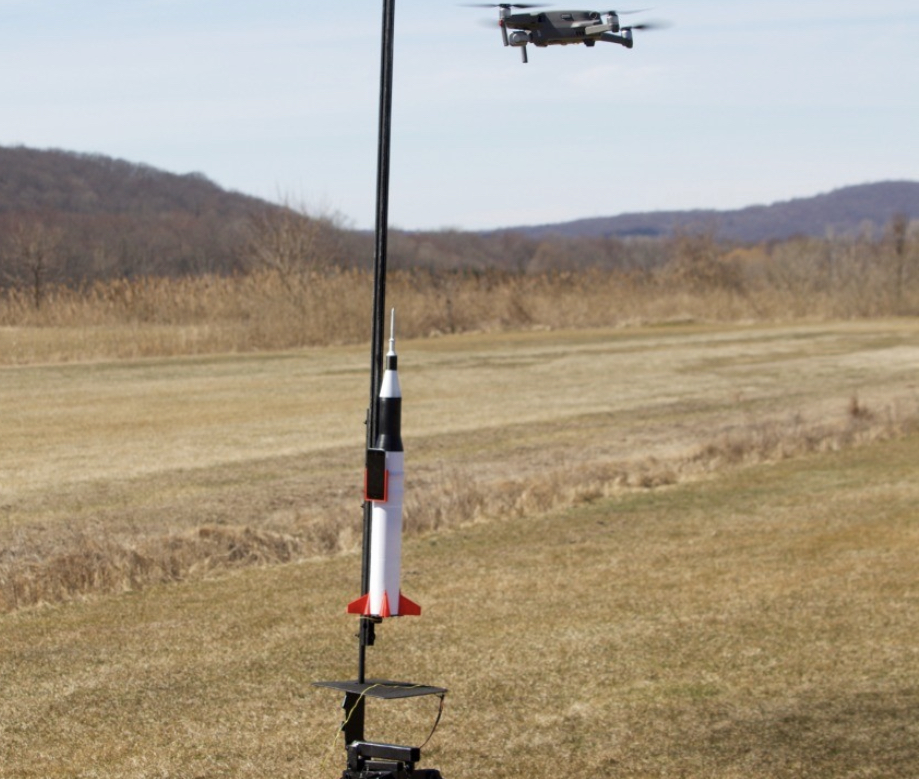
Overall, despite not qualifying for the finals, it was a great experience learning new simulation methods and software such as rocketsim and honestly, who doesn't doesn't want to fly rockets? You'd have to be crazy not to have fun with that, so needless to say it was a great project.